From Waste to High Value: The Precise Conversion Path of Agricultural and Dairy Waste, OHM's Circular Bioeconomy Practice and Future
On March 18, 2026, OHM’s CTO Dr. Jikai Zhao delivered a seminar at UBC, focusing on precision conversion of these by-products, and exchanging ideas with scholars on industrialization and sustainability. Tagatose, a next-generation sugar substitute with cost and functional advantages, was a key topic. Guided by its philosophy of translating research into industrial products, OHM will integrate biosynthesis, biotechnology and AI to advance the circular bioeconomy and promote green development.
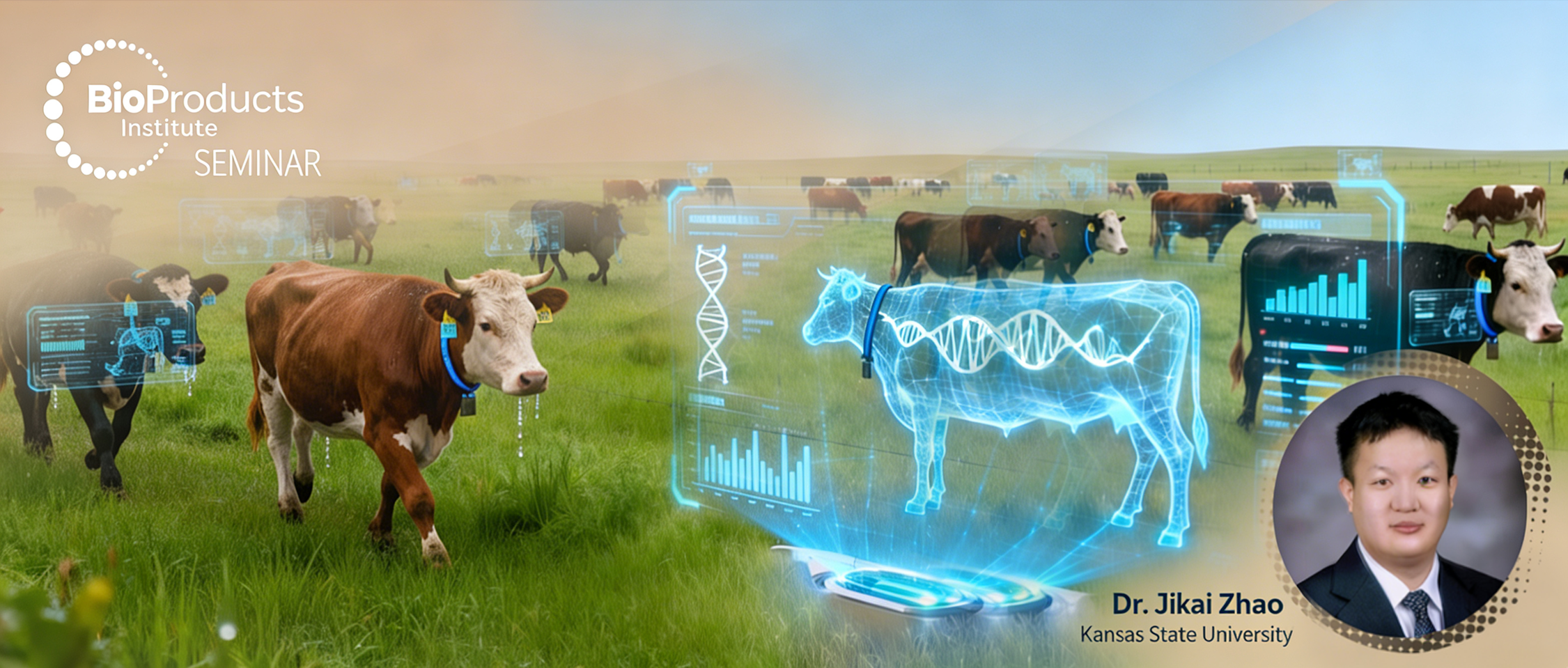
Have you ever imagined that corn stover in the fields, distiller’s grains from brewing, and whey left over from yogurt production—these seemingly "useless" agricultural and dairy by-products—could be transformed into clean fuels, high-performance functional materials, or even healthier new-generation sugar substitutes? This is not a fantasy, but an industrial reality being advanced steadily by OHM, a company firmly rooted in the circular bioeconomy with a core focus on technology implementation.
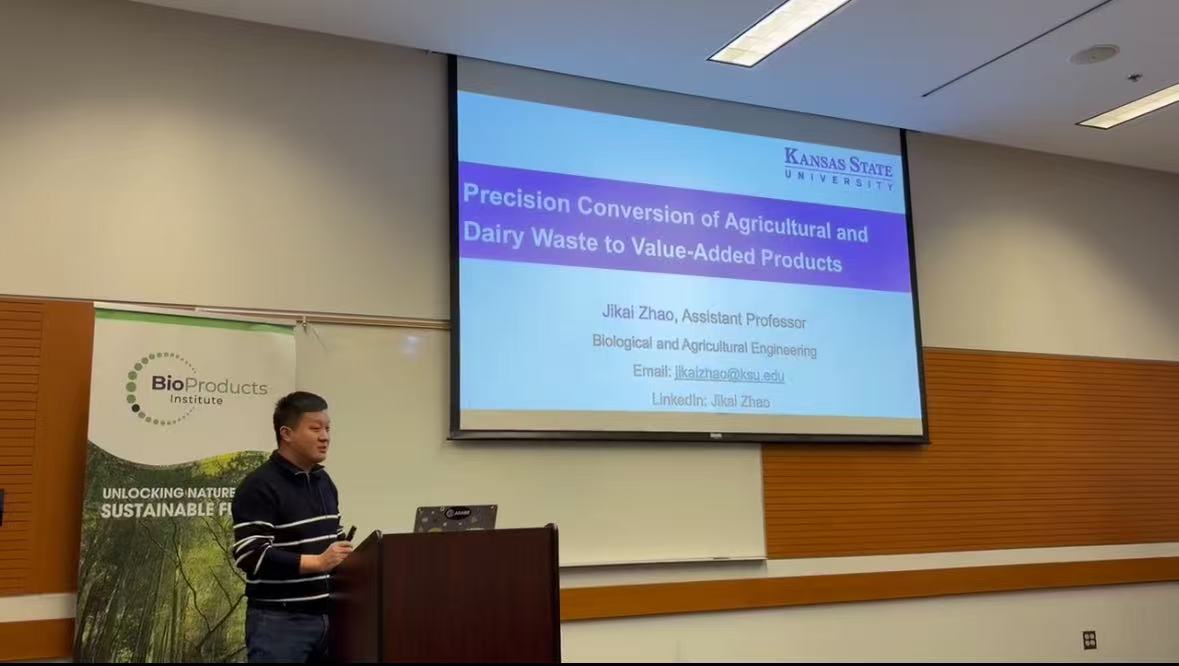
On March 18, 2026, Dr. Jikai Zhao, Chief Technology Officer (CTO) of OHM and a postdoctoral supervisor at Kansas State University, was invited by the BioProducts Institute at the University of British Columbia (UBC) to deliver an academic seminar titled “Precision Conversion of Agricultural and Dairy By-Products to Value-Added Products.” The seminar was hosted by Dr. Feng Jiang, Canada Research Chair (Tier 2) in Sustainable Functional Biomaterials at UBC. Distinguished academics including Dr. Orlando Rojas, Canada Excellence Research Chair at UBC, also engaged in in-depth discussions to explore frontier practices in the circular bioeconomy.This event not only showcased OHM’s technological prowess but also demonstrated the company’s commitment to translating cutting-edge research into industrial applications. It further reflected OHM’s clear development roadmap and strategic positioning in sustainable development and biomanufacturing.
Core Agenda: Integrating "Waste" into the Industry and Building a Circular Closed-Loop Through Technology Implementation
In today’s industrial landscape, breakthroughs in the lab are only the beginning; the real challenge lies in implementation and large-scale commercialization. This seminar focused on process optimization and cost reduction at the R&D stage, advancing the resource utilization of agricultural and dairy by-products from the laboratory to industrial-scale production. This aligns closely with OHM’s longstanding philosophy: eschewing armchair theorizing and ensuring every scientific achievement is translated into industrial application.
During the seminar, Dr. Jikai Zhao elaborated on OHM’s technological explorations and industrialization strategies in waste valorization. He explained that agricultural and forestry residues such as corn stover and distiller’s grains are no longer environmental burdens to be burned or landfilled. Instead, they serve as high-quality feedstocks that can be precisely converted into biofuels and functional materials through bioconversion technologies. Similarly, dairy by-products like acid whey from yogurt production have moved beyond traditional processing models and can now be refined into high-value products such as tagatose and other rare sugars.
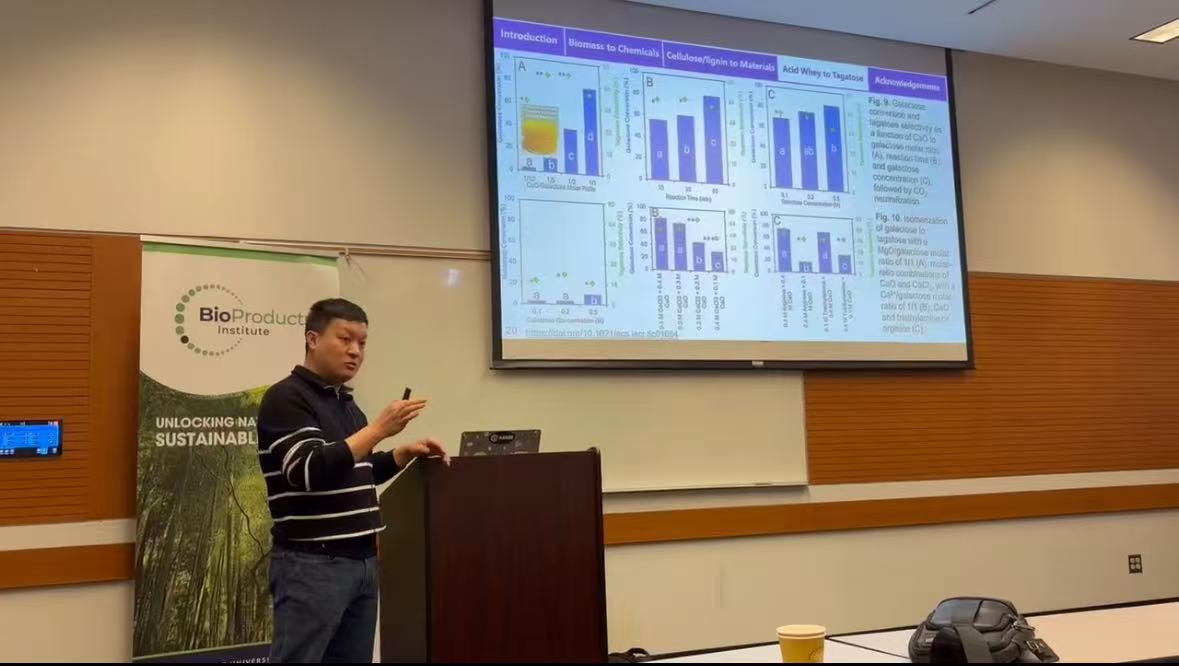
Dr. Orlando Rojas engaged in a substantive dialogue with Dr. Zhao on sustainable biomaterial development and high-value lignocellulosic utilization, jointly exploring technical bottlenecks and industrialization routes in waste valorization.
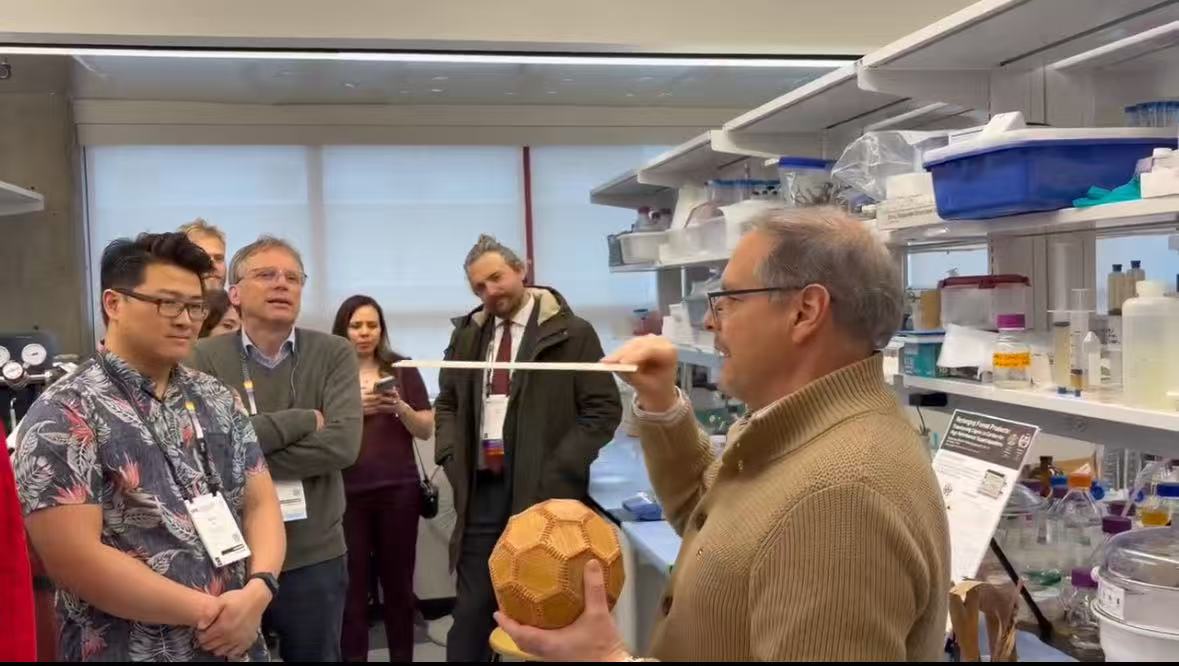
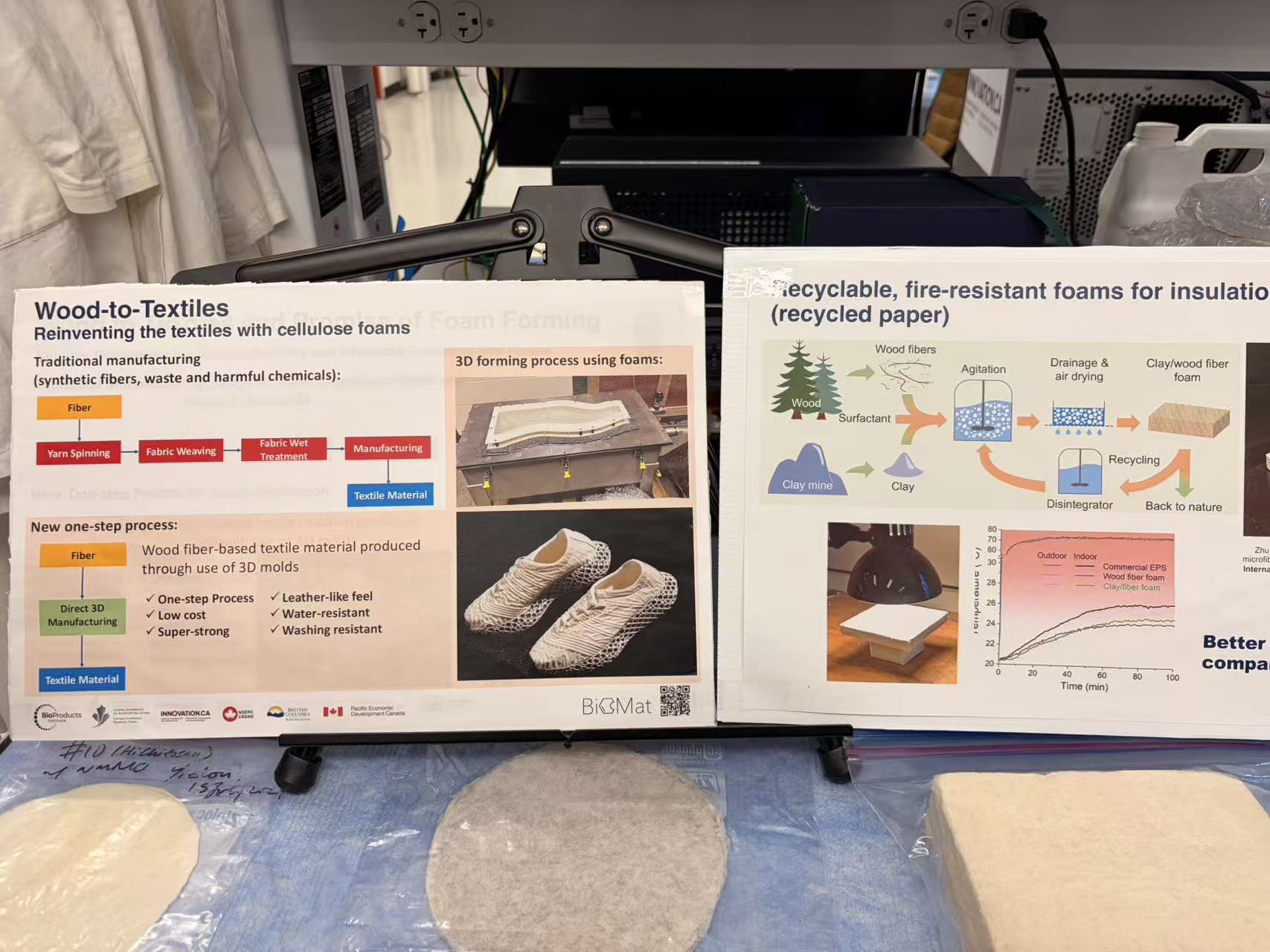
The key to making this possible lies in process innovation and cost control. OHM maintains that the commercialization of bio-based materials can only achieve a large-scale, sustainable industrial cycle when it is both technologically feasible and economically viable. This is how the circular bioeconomy moves from concept to practice—a core insight the seminar offered to the industry. The UBC BioProducts Institute also highlighted the event positively on its official platforms.
Spotlight: Tagatose as the New Star of Sugar Substitutes, and OHM's Dual Layout in Technology and Industry
During the interactive Q&A session, tagatose, as a promising next-generation sugar substitute, became a focal point of discussion. Addressing questions regarding sugar substitute comparisons and industrial implementation, Dr. Jikai Zhao shared OHM’s research progress and development plans for tagatose in detail, giving attendees a clear understanding of the commercial potential and industrial value of this novel sweetener.
Compared to traditional substitutes like erythritol and steviol glycosides, tagatose’s unique strengths are underpinned by OHM’s deep expertise in waste valorization and bioconversion technology. This reflects OHM’s core strategy in sweeteners: building on a circular economy foundation, focusing on technological innovation, and creating cost-effective, health-conscious sugar alternatives.
1.Cost Advantage: "Excavating" Sweetness from Waste for a Win-Win in Valorization and Economics
Tagatose can be produced directly from whey, a dairy by-product. This approach aligns perfectly with OHM’s "waste-to-wealth" sustainability vision. Using agricultural and dairy waste as feedstock significantly reduces reliance on refined sugars and specialty raw materials, delivering a clear cost advantage. Furthermore, OHM’s proprietary precision bioconversion technology improves production efficiency, steadily lowering industrialization costs and laying a solid foundation for the large-scale production of tagatose.
2.Application Advantage: A Next-Generation Functional Sweetener for Diverse Health Needs
In functionality and application, tagatose exhibits potential far beyond traditional sugar substitutes—a key reason behind OHM’s strategic investment. With a low glycemic index (GI) and low-calorie profile, it addresses the needs of diabetics and individuals seeking reduced sugar intake. It also delivers excellent stability in mainstream food applications such as baking, beverages and dairy, while providing a sucrose-like taste that makes it a highly viable broad-spectrum replacement for traditional sweeteners. Importantly, tagatose possesses prebiotic properties that help regulate intestinal flora, creating significant opportunities in the functional food market.
Currently, OHM is pursuing a full-chain strategy centered on tagatose commercialization—from precise waste feedstock sourcing and production process optimization to application-specific scenario adaptation. The aim is to rapidly bring this high-value sweetener to market and offer a new solution for the healthy food industry.
OHM's Core Philosophy: Building "Real Products" with "Great Research," and Practicing Sustainable Development Through Technology
This academic seminar was not only an exchange of cutting-edge technologies but also a vivid embodiment of OHM’s core philosophy. Since its founding, OHM has been committed to translating high-quality scientific research into real industrial products. As CEO Preston often emphasizes: “Good patents and papers are the starting point of technology, not the end. The true value of research lies in solving industrial challenges, meeting market demands, and moving from lab to production—becoming tangible products that serve society.”
This is also the fundamental reason why Dr. Jikai Zhao consistently emphasized "cost analysis, process optimization, and industrial implementation" throughout the seminar. As OHM’s CTO, he leads the R&D team in conducting industry-driven research—rejecting research for research’s sake—where every technological advancement and process innovation centers on reducing industrialization costs and enhancing product cost-effectiveness, ensuring OHM’s R&D efforts remain fully aligned with industrial demands.
On the sustainability front, OHM has positioned the "resource utilization of agricultural and dairy waste" as its core development focus. This is no accidental choice, but a dual consideration of industrial trends and social responsibility. In an era where resources are increasingly scarce, the inefficient disposal of agricultural, forestry, and dairy wastes not only squanders valuable resources but also imposes significant environmental pressure. OHM firmly believes that waste is merely "misplaced resources"—through the innovative application of biosynthesis and biotechnology, these materials can be revitalized with new value. This not only builds differentiated industrial competitiveness for the company but also propels the entire agricultural and food industry toward a greener, circular, and more sustainable future—a business strategy that is also a profound corporate social mission.
Looking ahead, OHM has charted a clear technology implementation path: the deep integration of biosynthesis, biotechnology, and AI. By leveraging AI to optimize bioconversion processes, simulate industrial production workflows, and accurately model costs and efficiencies, OHM will make R&D more efficient, process implementation more precise, and manufacturing more scalable. From the intelligent screening of waste and precise regulation of conversion processes to the quality optimization of final products, AI technology will permeate the entire value chain, serving as a key lever for OHM to drive the industrialization of the circular bioeconomy.
From the precise conversion of agricultural and dairy wastes, to the R&D and development of high-value products like tagatose, and further to the "biosynthesis + AI" technology roadmap, OHM is steadily advancing on the path of the circular bioeconomy—guided by the core principles of technology implementation and sustainable development. We believe that with continuous technological innovation and unwavering commitment to industrialization, more high-value products born from "waste" will enter the market in the future, unlocking new opportunities for industrial upgrading and sustainable green growth.